
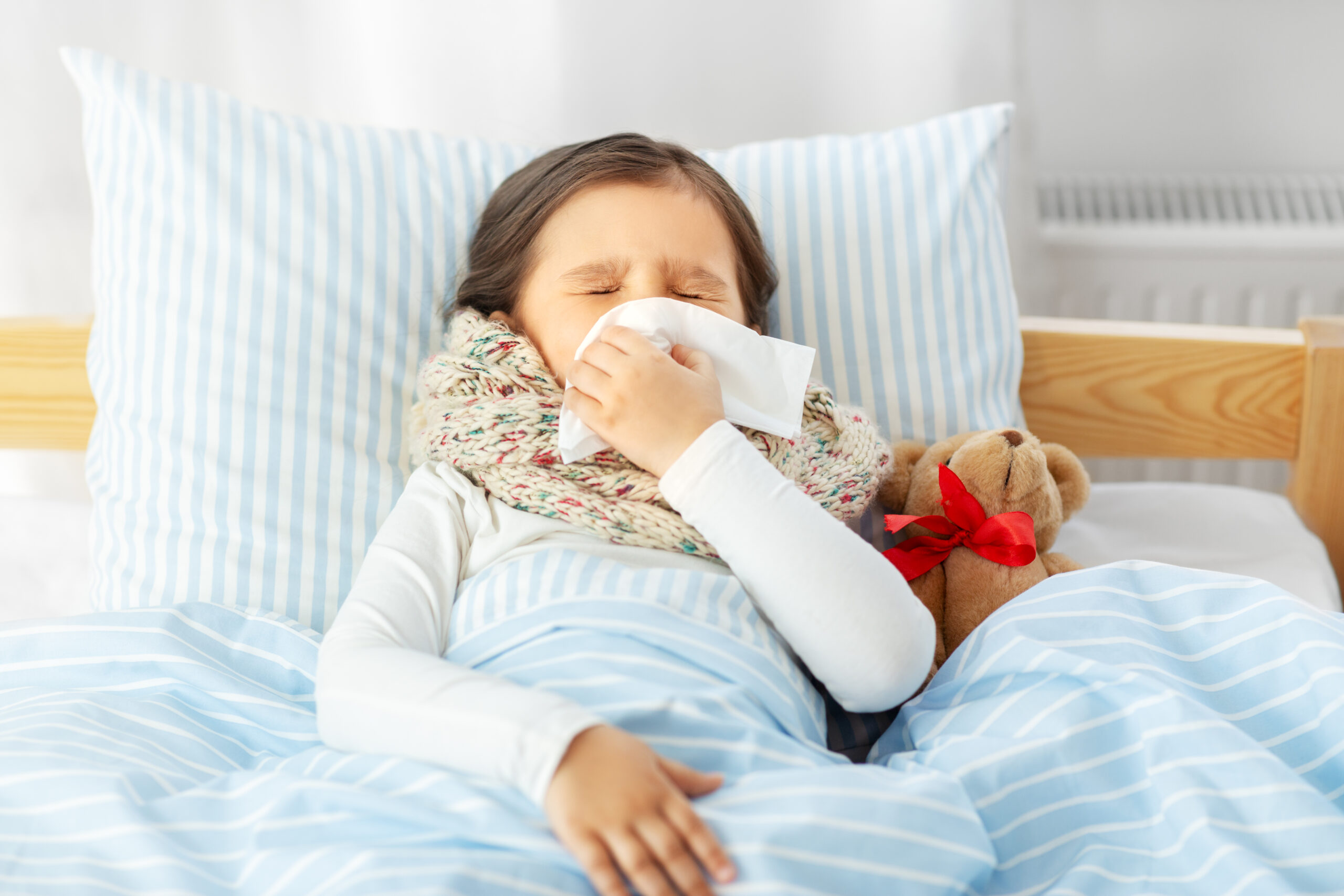
What is H3N2 Flu in Kids?
H3N2 flu in kids is a type of influenza caused by the H3N2 virus. This virus is a common strain of the flu that affects children, especially during flu season. In the United States, H3N2 flu can spread quickly among kids in schools and daycare centers. Because children have developing immune systems, they may get sick more easily. The H3N2 flu in kids can cause mild to severe illness. However, most children recover with proper care. It is important for parents to know the signs, causes, and ways to prevent this flu.
Common Symptoms of H3N2 Flu in Children
Children with H3N2 flu often show symptoms that are similar to other types of flu. Still, some signs may be more severe in young kids. Early recognition helps with quick treatment. Look for these common flu symptoms in children:
Additionally, some children may have trouble breathing or chest pain. If you notice these, seek help right away.
Causes and How H3N2 Spreads Among Kids
The H3N2 virus spreads easily from person to person. Usually, it passes through droplets when someone coughs, sneezes, or talks. Kids often touch their faces and share toys, which helps the virus spread. Because schools and playgrounds are crowded, the risk increases. According to the CDC, children can spread the flu even before they show symptoms. Therefore, it is important to practice good hygiene at all times.
Diagnosis: How Doctors Identify H3N2 in Children
Doctors diagnose H3N2 flu in kids by looking at symptoms and doing special tests. First, they ask about your child’s health and recent contact with sick people. Next, they may use a swab from the nose or throat to test for the flu virus. These tests can quickly show if your child has H3N2 or another type of flu. Sometimes, doctors use rapid flu tests for faster results. However, not all tests are 100% accurate. If needed, your doctor may order more tests to confirm the diagnosis.
Treatment Options for H3N2 Flu in Kids
Most children with H3N2 flu recover at home with rest and fluids. However, some may need medicine or extra care. Here are common ways to treat H3N2 in kids:
Always follow your pediatrician’s advice for the best care. If symptoms get worse, seek help right away.
Prevention Tips for Parents and Caregivers
Preventing H3N2 flu in kids is possible with simple steps. Because flu spreads easily, these tips can help protect your child and others:
Additionally, encourage healthy habits like eating well and getting enough sleep. These steps support your child’s immune system.
When to Seek Medical Help
Sometimes, H3N2 flu in kids can become serious. Therefore, watch for warning signs that need urgent care:
If you notice any of these, call your doctor or go to the emergency room right away. Early treatment can prevent serious problems.
In summary, H3N2 flu in kids can be managed with early care and prevention. For personalized advice, consult a pediatrician if your child shows flu symptoms.