
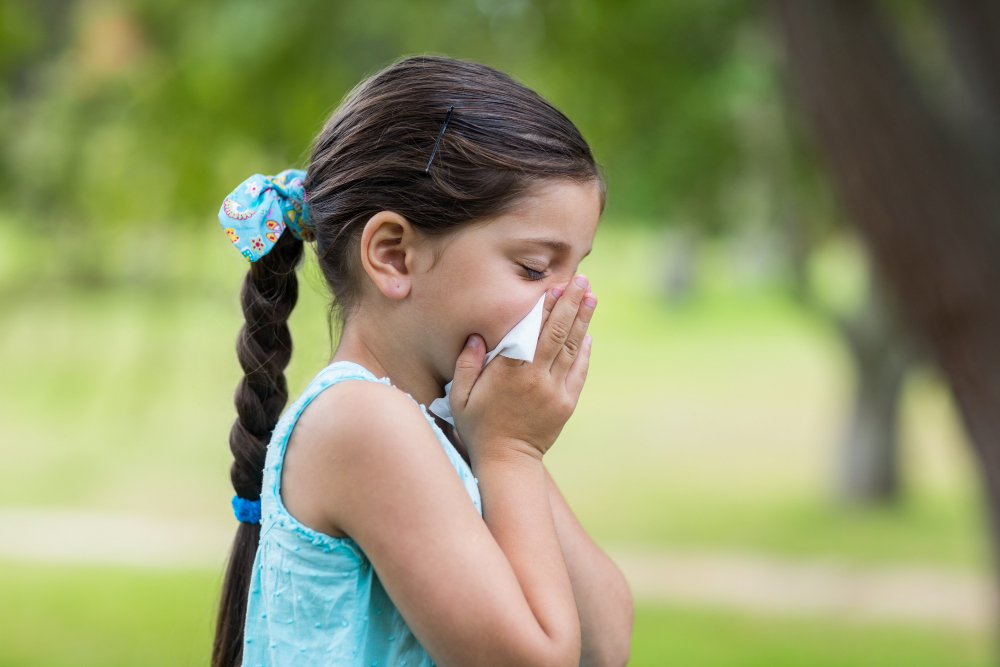
Weather shift allergies in children are common, especially during changes in seasons. When the weather changes quickly, some children develop allergy symptoms. These can include sneezing, runny nose, or itchy eyes. Because these symptoms can affect daily life, it is important for parents and caregivers to understand weather shift allergies in children. Knowing the signs and how to manage them helps keep kids healthy and comfortable. In this blog, we will explain symptoms, causes, diagnosis, treatment, prevention, and when to seek help.
Symptoms of Weather Shift Allergies in Children
Children may show different signs when they have weather change allergies. Some symptoms are easy to spot, while others are less common. Early recognition helps parents take action quickly. Here are the most common and less common symptoms:
Causes and Triggers
Weather changes can trigger allergies in children for several reasons. For example, a sudden drop or rise in temperature can make the air dry or moist. This change can irritate a child’s nose and throat. Also, when seasons shift, pollen levels often rise. Pollen from trees, grass, or flowers can cause allergic reactions. In some areas, mold grows more during wet weather, which can also trigger symptoms. Even dust mites become active when humidity changes. Because of these factors, children may react more during spring or fall. For instance, if your area has high pollen counts, your child may sneeze more during those times.
Diagnosis
Doctors and parents work together to identify weather shift allergies in children. First, parents should watch for patterns. For example, does your child sneeze more when seasons change? Keeping a symptom diary can help. Next, a doctor may ask about family history and recent exposures. Sometimes, doctors suggest allergy tests. These tests can show if your child reacts to pollen, dust, or mold. If symptoms are severe or last more than a week, it is wise to seek medical advice. Early diagnosis helps prevent complications and improves your child’s comfort.
Treatment Options
There are several ways to treat weather change allergies in kids. Most treatments are safe and effective. For mild symptoms, doctors may suggest:
In addition, home remedies can help. For example, keeping windows closed during high pollen days can lower exposure. Using air purifiers may also reduce indoor allergens. However, always follow your doctor’s advice before starting any new treatment. The CDC and WHO recommend evidence-based approaches for managing allergies in children.
Prevention Tips
Parents can take simple steps to help prevent allergy flare-ups during weather shifts. Here are some practical tips:
Lifestyle Guidance
Supporting children with allergies during weather changes is important. For instance, plan more indoor activities when pollen is high. Reading, drawing, or indoor games can keep kids busy and safe. Also, using a humidifier can help if the air is dry. Keeping your child’s room clean and free of dust helps too. If your child has asthma, make sure their inhaler is always nearby. With these steps, you can help your child feel better during weather shifts.
When to Consult a Pediatrician
Sometimes, allergies can become serious. You should consult a pediatrician if your child:
Early medical help can prevent complications and ensure your child gets the right treatment.
Conclusion & Call-to-Action
In summary, weather shift allergies in children are common but manageable. By knowing the symptoms, causes, and prevention tips, parents can help their kids stay healthy. Remember, simple steps like checking pollen counts and keeping the home clean make a big difference. If you notice severe symptoms or have concerns, consult a pediatrician at Swathi Children’s Clinic for personalized guidance on managing weather shift allergies in children.