
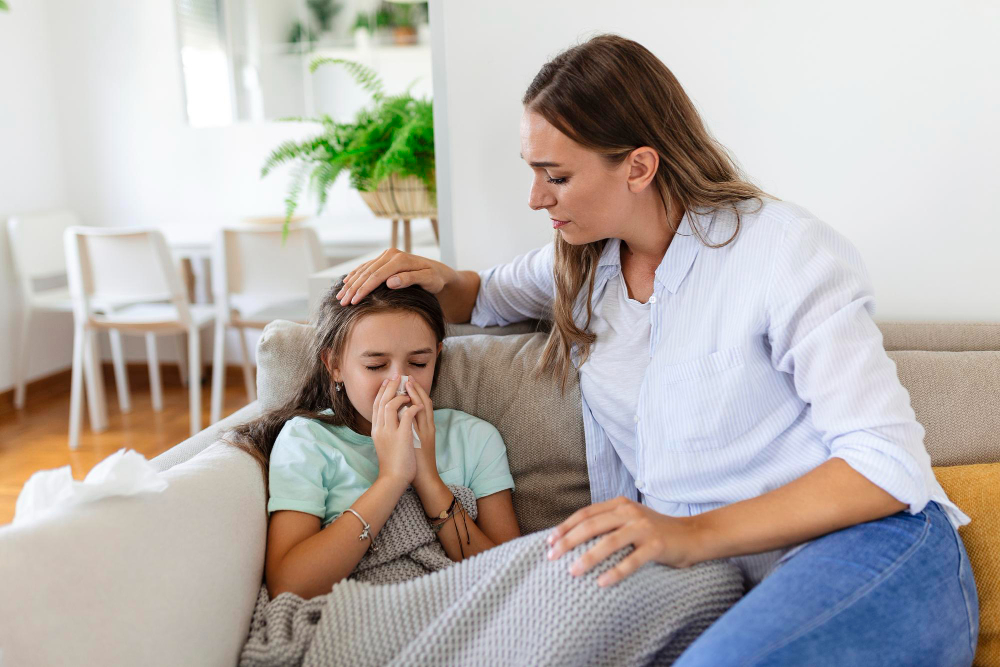
When your child feels sick, you may wonder, “Does your child have flu?” Knowing the signs can help you act fast. Many parents worry about flu symptoms in children, especially during flu season. You might ask, “How to tell if your child has the flu?” or “What is pediatric flu diagnosis?” This guide will help you spot the signs, understand diagnosis, and know what to do next.
What is the Flu in Children?
The flu, or influenza, is a virus that spreads easily. Children can catch it from others who cough or sneeze. While the flu can affect anyone, kids often get sick more easily. Sometimes, the flu can lead to serious problems, especially in young children or those with health issues. According to the CDC, flu season usually peaks in the fall and winter months. However, cases can happen at any time of year.
Common Signs and Symptoms of Flu in Kids
It is important to know the signs of flu in children. Early action can help your child feel better sooner. Here are common symptoms to watch for:
Not every child will have all these symptoms. Sometimes, the flu can look like a cold. But, flu symptoms in children often start suddenly and are more severe than a cold.
How is Flu Diagnosed in Children?
If you think your child has the flu, a doctor can help. Usually, the doctor will ask about symptoms and check your child. Sometimes, they may use a swab from the nose or throat to test for the flu virus. This is called a rapid flu test. Results can come back quickly. However, not all children need a test. The doctor may decide based on your child’s age, health, and symptoms. Pediatric flu diagnosis helps guide the best treatment.
What to Do if You Suspect Your Child Has the Flu
If you notice flu symptoms in your child, act quickly. First, keep your child home from school or daycare. This helps prevent spreading the virus. Next, make sure your child rests and drinks plenty of fluids. If your child has trouble breathing, chest pain, or a high fever that will not go down, call your doctor right away. These can be signs of serious illness.
Home Care and When to See a Doctor
Most children with the flu get better at home with rest and care. Here are some tips for home care:
However, some children need to see a doctor. Seek medical help if your child:
Always trust your instincts. If you feel something is wrong, call your doctor.
Preventing the Flu in Children
Prevention is the best way to protect your child from the flu. Here are some steps you can take:
The CDC and WHO recommend the flu vaccine for everyone over 6 months old. Vaccination is safe and helps prevent serious illness.
If you think your child has the flu, consult a pediatrician at Swathi Children’s Clinic for personalized advice. Early care can make a big difference in your child’s recovery and help them feel better faster.